The Sharpest
I-PEX株式会社(本社:京都府京都市、代表取締役社長執行役員:小西 玲仁、以下 I-PEX)とうるたま株式会社(本社:神奈川県川崎市、代表取締役:齊藤 絵美子、以下 うるたま)は、I-PEXが開発中の「三次元不織布集電体」を搭載する2種類の電池パックを使用したマイクロドローンによる飛行テストを行い、両方の電池パックにおいて、同重量の既存電池パックを使用した場合と比較して約2倍となる16分以上の航続時間を実現しました。
The advanced conductive mesh is a current collector that contributes to enhancing next-generation lithium-ion battery performance by improving the adhesion and conductivity of silicon-based active materials.
本技術の実物サンプルおよび技術解説資料を、2025年11月18日(火)から20日(木)に愛知県・ウインクあいちで開催される「第66回電池討論会 併設展示会」の I-PEX ブース(6F No.15)で展示します。
今回の結果を踏まえ、I-PEXはうるたまと協力して「三次元不織布集電体」を搭載した電池のサイクル特性や安全性および量産性の検証を進め、製品への採用に向けた開発を継続していきます。
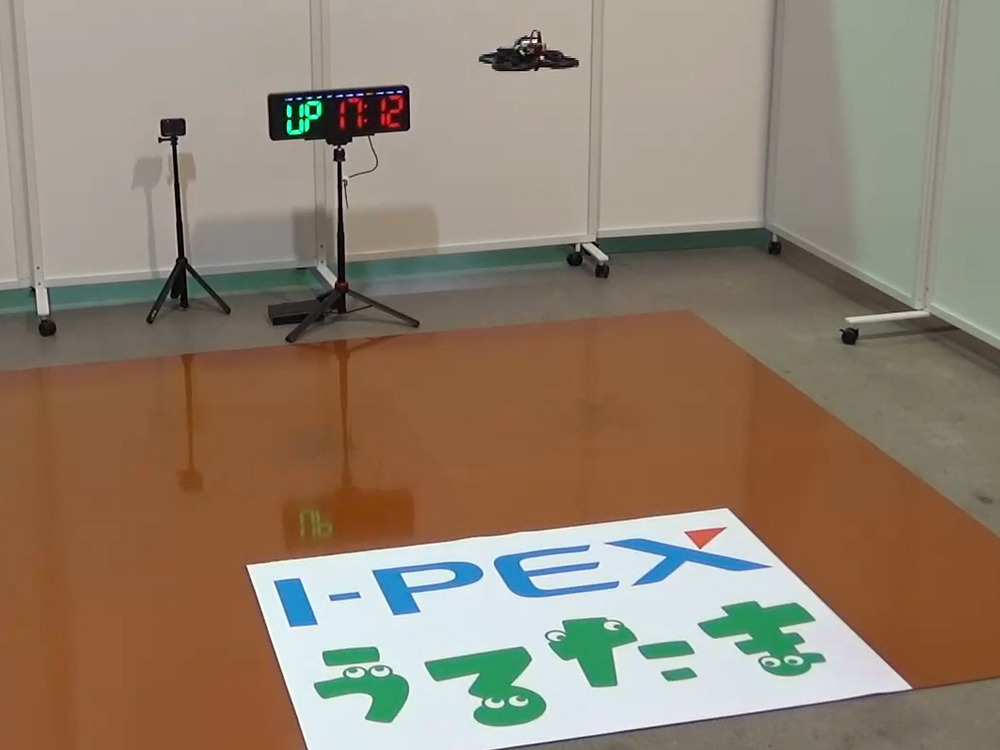 Achieved over 16 minutes of flight time with a micro-drone powered by a battery pack equipped with the advanced conductive mesh
Flight Test Background
In recent years, there has been a growing need to use micro drones to visually inspect and check dangerous locations that are difficult to see with the human eye, such as nuclear power plants and road collapse sites.
The micro drones used for these purposes have a limited battery capacity due to weight restrictions. Currently, they can only fly for a maximum of about 8 minutes at a time, including the time it takes to travel to and from the site, which means that actual inspections can only be carried out for a few minutes.
I-PEXの「三次元不織布集電体」は、黒鉛系活物質と比較して10倍以上の理論容量を持つシリコン系活物質の活用など、次世代リチウムイオン電池の性能を向上する集電体として開発※1しています。今回、「三次元不織布集電体」を搭載した電池パックの性能向上を実証する目的で、マイクロドローンによる飛行テストを実施しました。
Flight Test Overview
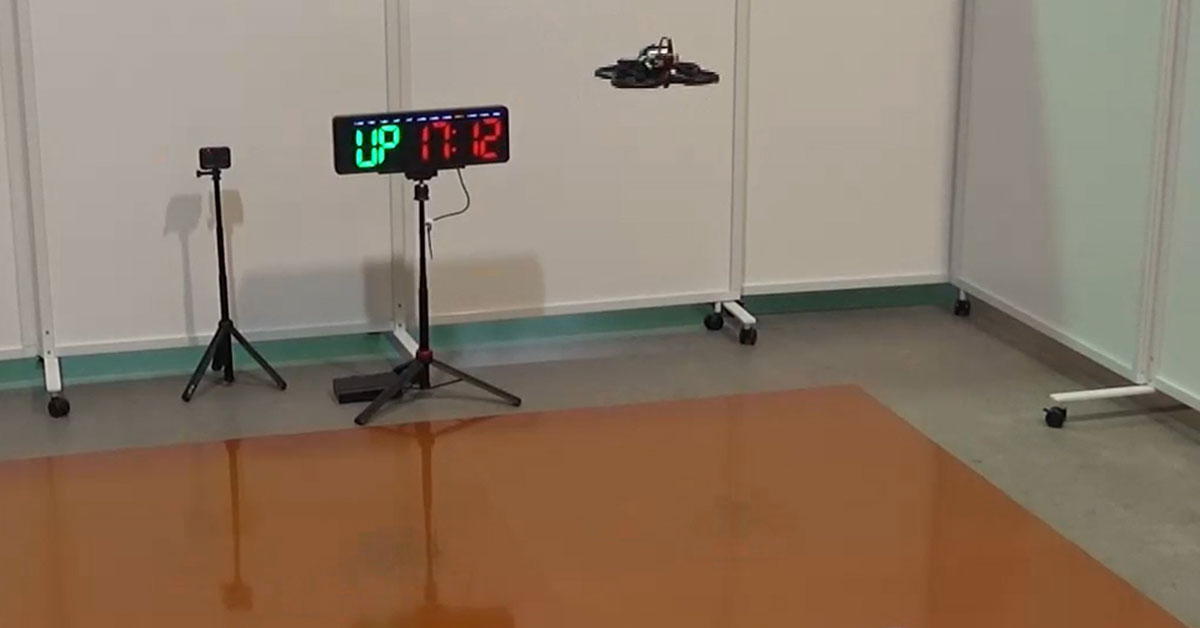
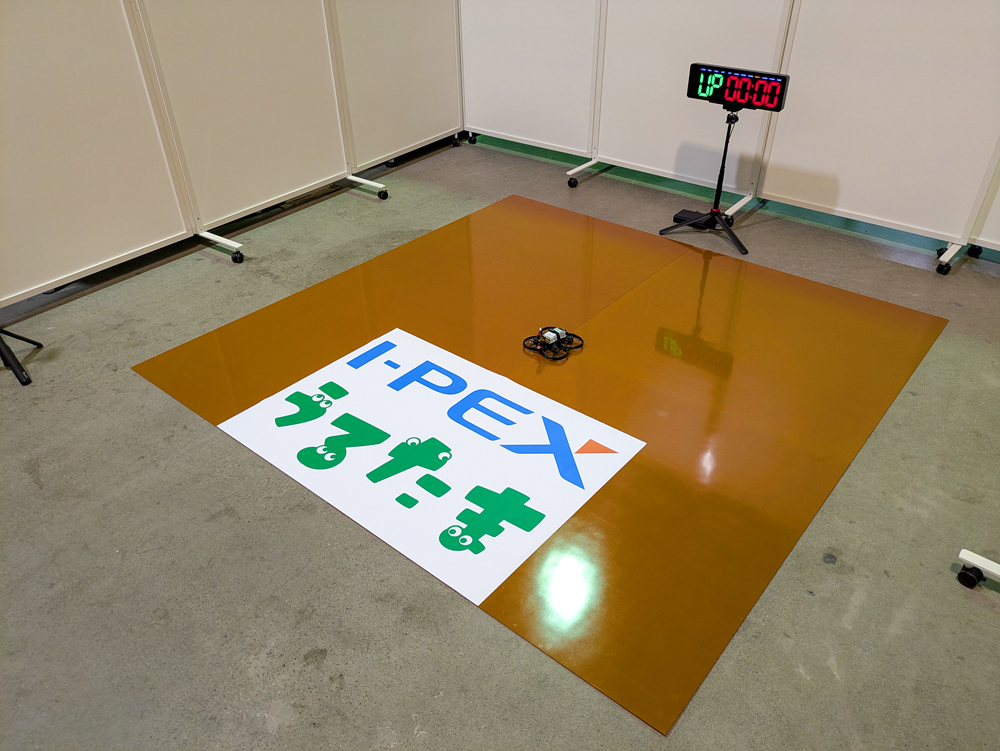 Flight Test Area
I-PEXの「三次元不織布集電体」を用いた電池パック2種類をうるたまが製作し、マイクロドローンに搭載、比較用の市販電池パックと重量を極力揃えた上でホバリングを行う飛行テストを、うるたまのラボ(横浜市鶴見区、リーディングベンチャープラザ)にて実施しました。
As for the test result, the aircraft hovered for 8 minutes and 51 seconds using a commercially available battery pack, 16 minutes and 20 seconds using the silicon anode battery pack, and 17 minutes and 42 seconds using the lithium anode battery pack, nearly doubling the flight time over the commercial option.
Details of the installed battery pack and test results
| Battery pack | Silicon anode battery pack *2 | Lithium anode battery pack *3 | (For comparison) Commercially available battery pack |
|---|---|---|---|
| Number of cells | 3 | 3 | 3 |
| Capacity | 1800mAh | 1930mAh | 1000mAh |
| Voltage | 11.1V | 12.0V | 11.1V |
| Weight | 72.6g | 73.7g | 72.7g |
| Flight Time | 16 minutes and 20 seconds | 17 minutes and 42 seconds | 8 minutes and 51 seconds |
- *2A copper-plated advanced conductive mesh is used, and the active material (Si/graphite ≒ 83%/17%, micro-Si is used) is coated and embedded in the voids of the nonwoven fabric.
- *3The world's lightest three-dimensional lithium metal anode was created by embedding Li in a copper-plated advanced conductive mesh
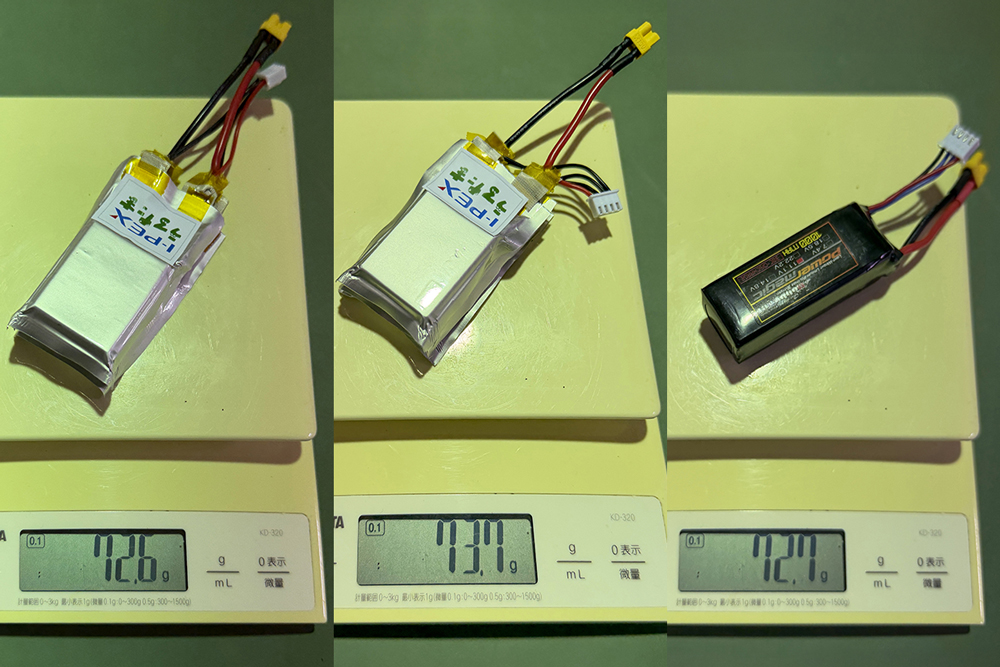 Battery packs installed in micro drones (left: silicon anode battery pack, center: lithium anode battery pack, right: commercially available battery pack for comparison)
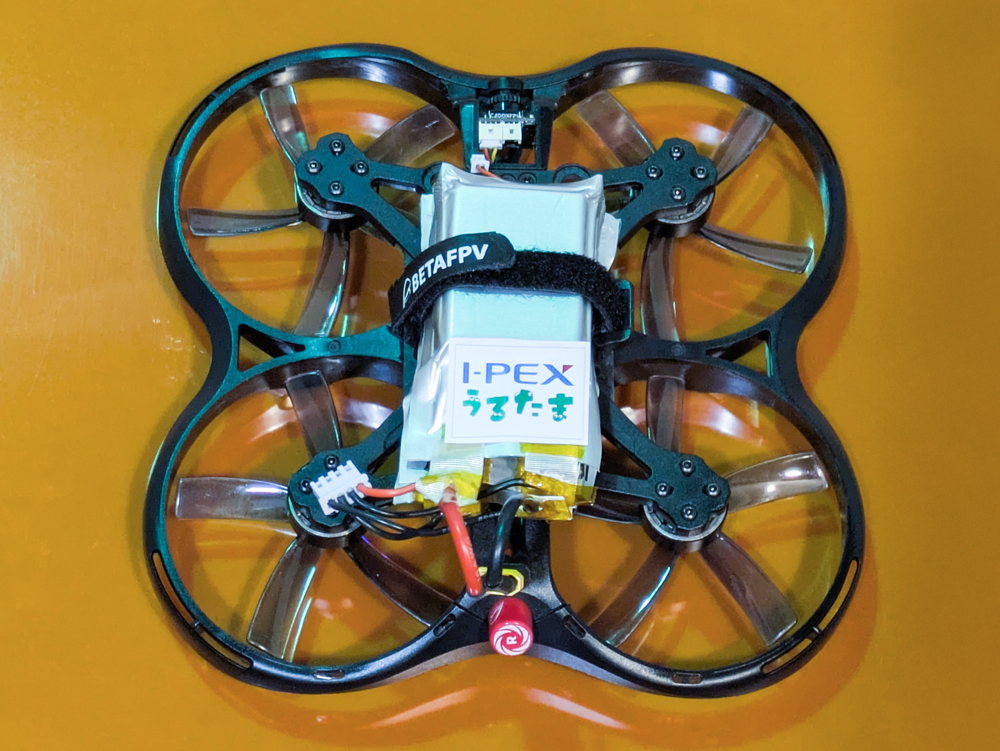 Micro drone used in flight tests
Features of the Advanced Conductive Mesh
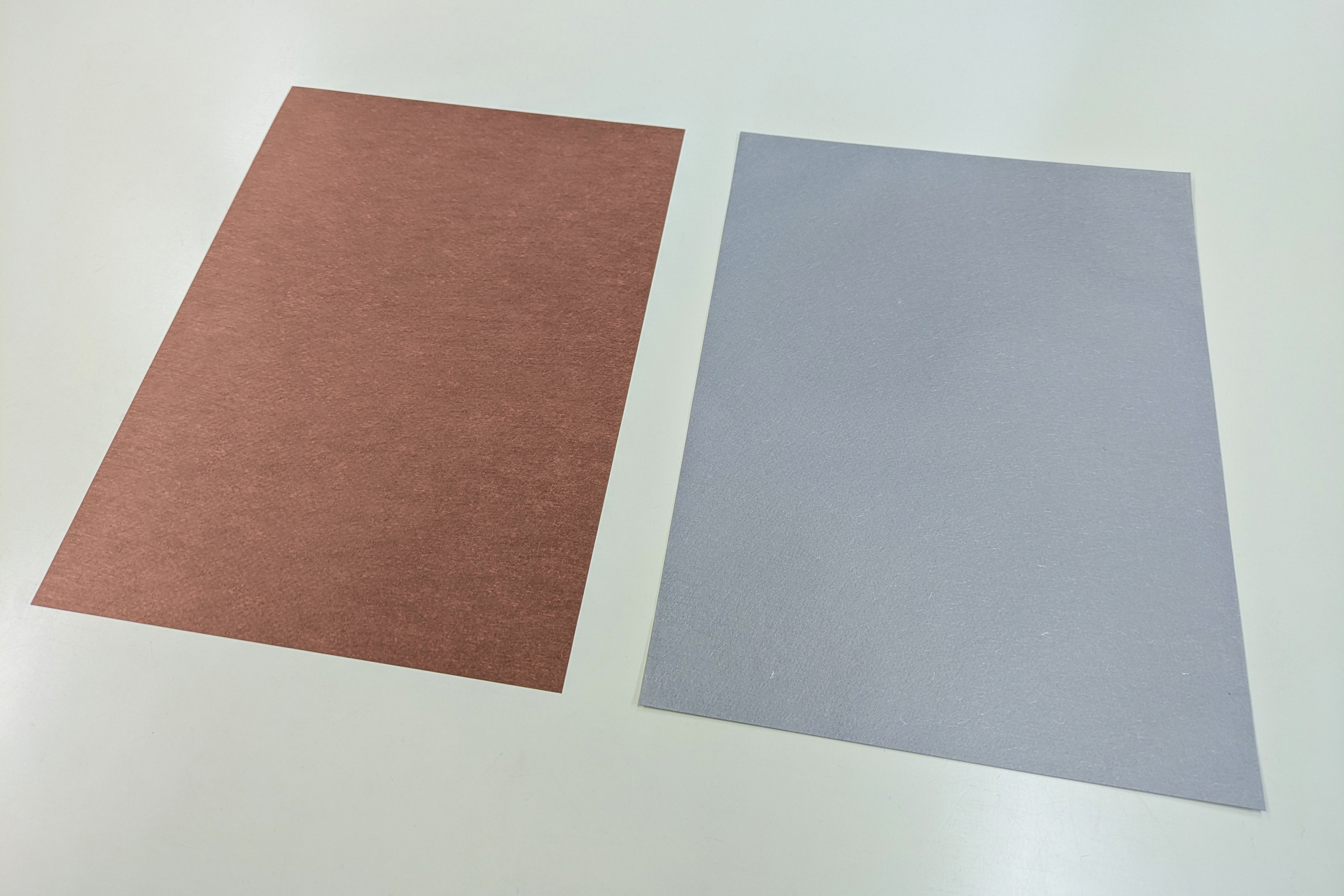 Advanced conductive mesh (Left: copper-metallized product, Right: aluminum-metallized product)
The advanced conductive mesh is expected to improve issues such as the adhesion and conductivity of silicon-based active materials in next-generation lithium-ion batteries, thereby contributing to improved battery performance.
- The complex and flexible structure of the nonwoven fabric holds the active material in place, preventing peeling caused by the expansion and contraction of the silicon-based active material
- Metallization of nonwoven fabric ensures a high specific surface area of the current collector and electrical conductivity comparable to that of copper foil
- The conductive nonwoven fabric forms a conductive path throughout the active material layer, improving the utilization rate of the active material
- The current collector is made lighter by using a resin nonwoven fabric as the base material
For more information on the advanced conductive mesh please click here.
Exhibition Overview
The advanced conductive mesh will be exhibited at the "66th Battery Symposium Exhibition" to be held at Winc Aichi from Tuesday, November 18th to Thursday, November 20th, 2025.
| Dates | November 18th (Tuesday) - 20th (Thursday), 2025 |
|---|---|
| Place | Winc Aichi (Nakamura Ward, Nagoya City) |
| Exhibit Products | Advanced conductive mesh |
About URUTAMA Inc.
URUTAMA Inc. is conducting research and development that will lead to the commercialization of next-generation batteries by discovering "original elemental technologies" that will solve the various technical barriers in the secondary battery development and manufacturing process. Furthermore, based on the experience gained in this research process, we are already conducting joint research and contract research on battery technology with many affiliated companies.
- Connectors Business
- Contract Manufacturing Business (Automotive Components & Electronics Components)
- Mold & Equipment Business
- MEMS Foundry Business
- Energy Solutions Business
| Trade Name | URUTAMA Inc. |
|---|---|
| President | Representative Director: Emiko Saito |
| Location | Kawasaki Frontier Building 4th floor, 11-2 Ekimae Honmachi, Kawasaki-ku, Kawasaki City, Kanagawa Prefecture |
| Business Operation | Next-generation battery development and contract evaluation business |
I-PEXのエネルギーソリューション事業について
I-PEXは電気自動車の使用済みリチウムイオン電池パックをリユースした蓄電池システムシリーズ「RENERATH(リネラス)」を展開。リユース電池パックとIoT技術を組み合わせ、持続可能で安心・安全な蓄電池によるエネルギー供給を目指しています。「三次元不織布集電体」はエネルギーソリューションにおける新たな取り組みとして、次世代のリチウムイオン電池パックに向けた開発を進めています。
I-PEX株式会社について
I-PEXは、グローバル市場で閃きや驚きという価値を提供する「ものづくりソリューションエキスパート」を意味します。1963年、精密金型メーカーの「第一精工」として誕生。以来、数々の世界初や独自の製品、ソリューションを産み出してきました。
I-PEX currently operates in five business fields: Connectors, Contract Manufacturing (Automotive Components & Electronics Components), Molds & Equipment, MEMS Foundry, and Energy Solutions. By delivering the sharpest tip to the world, we will contribute to exciting value-creation in the digitalized society by working globally with every customer who opens up the new era.
| Trade Name | I-PEX Inc. |
|---|---|
| President | Representative Director and President Reiji Konishi |
| Location | 12-4, Negoro, Momoyama-cho, Fushimi-ku, Kyoto 612-8024, JAPAN |
| Establishment | July 10, 1963 |
| Paid-in Capital | 9.968 billion yen (as of November 10, 2025) |
| Business Operation |
|
| URL | https://corp.i-pex.com/en |