The Sharpest
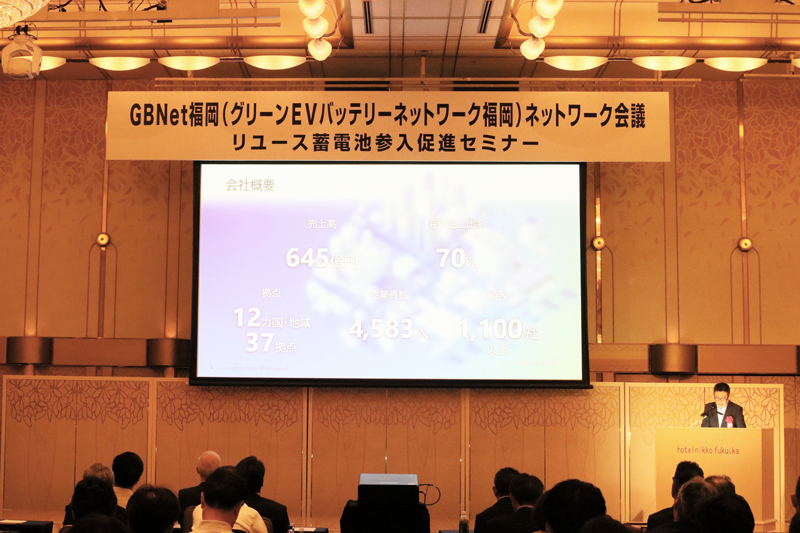
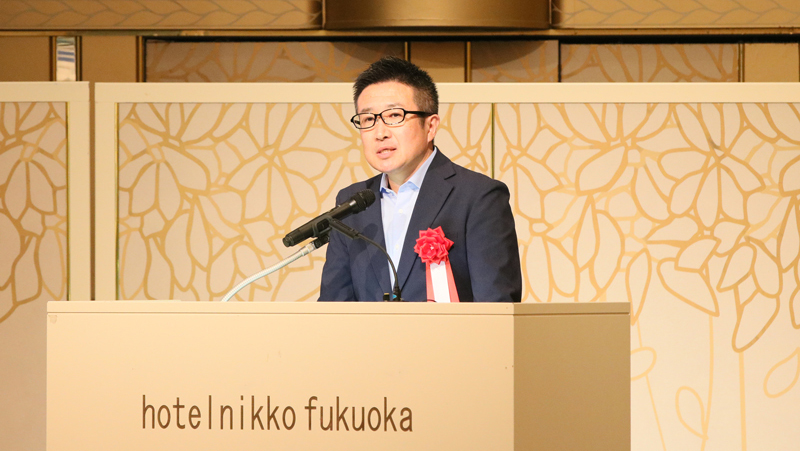
2025年8月20日、ホテル日航福岡(福岡県福岡市)で開催された「グリーンEVバッテリーネットワーク会議(以下、GBNet福岡ネットワーク会議)」にて、新規事業開発統括部エネルギーソリューション部の白坂智之が「リユースバッテリー事業の現在地」をテーマに、I-PEXの蓄電池システム「RENERATH(リネラス)」と、EVバッテリー資源循環モデルへの取り組み・今後の展望について講演しました。
This article presents an edited summary of the speech given at the GBNet Fukuoka Network Conference.
What is Green EV Battery Network Fukuoka?
The Green EV Battery Network Fukuoka is a public-private partnership organization launched under the leadership of Fukuoka Prefecture. Its goal is to build a "Fukuoka Model" for the integrated collection, reuse, recycling, and remanufacturing of used electric vehicle (EV) batteries. As of August 2025, 39 companies and organizations were participating, with the Ministry of Economy, Trade and Industry and the Ministry of the Environment also participating as observers.
The Current State of the Reused Battery Business—From the GBNet Fukuoka Network Conference Held on August 20, 2025
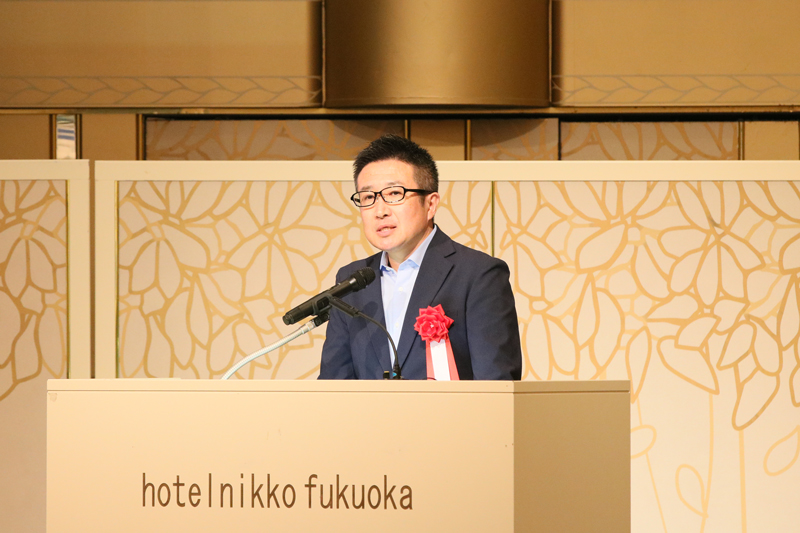 I-PEX株式会社新規事業開発統括部エネルギーソリューション部 白坂智之
1. From Mold Manufacturer to Energy Solutions Business
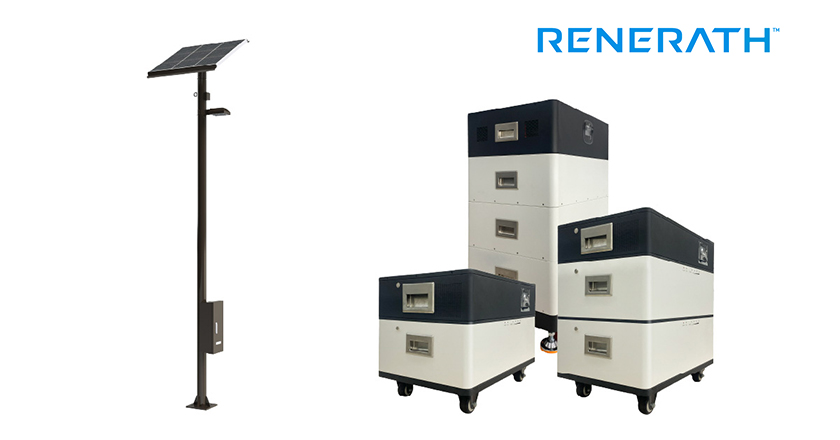 Two product lineups for the RENERATH Battery Storage System
I-PEXは1963年に精密金型メーカー「第一精工株式会社」として創業し、プラスチック成形部品、コネクタ、MEMS技術を活用した製品など、時代のニーズに応じたものづくりで事業を拡大してきました。2024年1月には、新たな挑戦としてエネルギーソリューション事業に参入。使用済みEVバッテリーをリユースした蓄電池システム「RENERATH」シリーズを立ち上げ、ソーラー街路灯、可変型蓄電池という2つの製品ラインナップを展開しています。
With growing geopolitical risks and instability in rare metal supplies, the aim of this business is to make effective use of used EV batteries accumulated in Japan and create new value in both energy and resource aspects.
2. Rare Metal Supply Risks and the Significance of Reuse
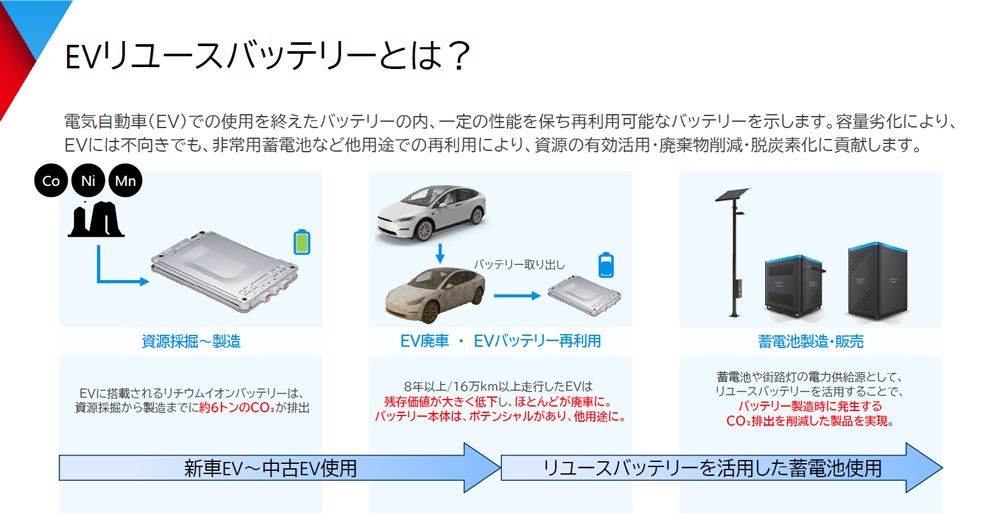 Lithium-ion battery manufacturing and reuse process
With the rapid adoption of EVs and the expansion of renewable energy, the supply and demand of cobalt and nickel, main materials in lithium-ion batteries, is becoming increasingly tight, raising concerns over the stable supply of newly manufactured batteries. Furthermore, battery production also consumes significant resources and energy, with emissions of approximately six tons of CO₂ per battery. However, even after more than eight years and 160,000km of use, EV batteries still retain considerable performance, making them potentially reusable as emergency power sources or storage batteries.
We consider products and materials that have completed their role, such as used batteries, to be "above-ground resources," in contrast to "underground resources" such as cobalt and nickel. Leveraging these above-ground resources is essential for both the effective use of resources and environmental impact reduction.
Yet, technology alone is not enough. Social implementation requires cooperation across the entire supply chain, including the development of systems and frameworks,
3. Promoting Social Implementation Through Collaboration
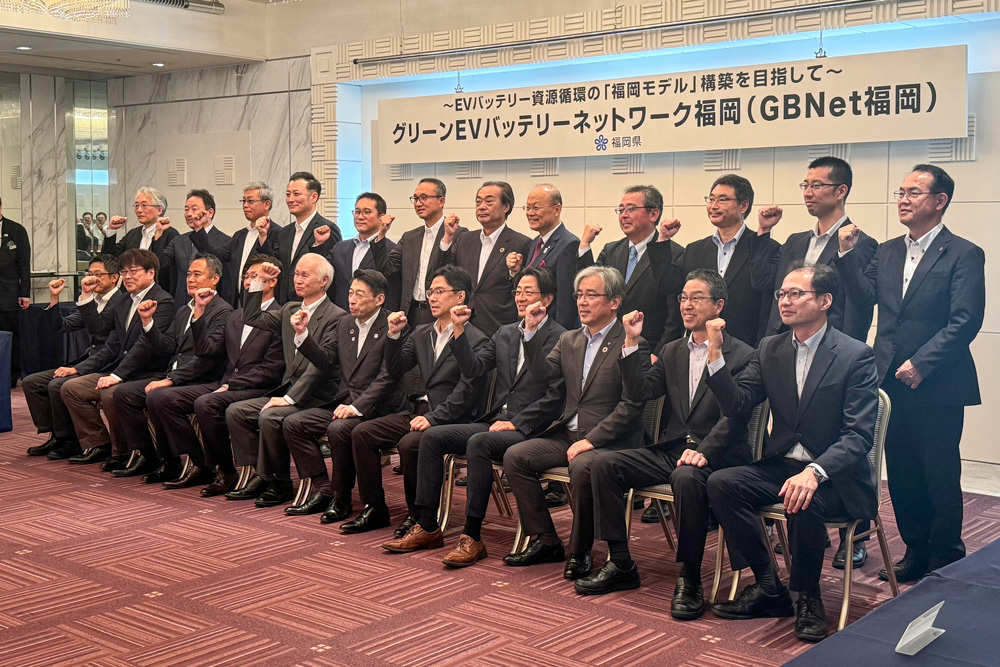 GBNet Fukuoka kickoff meeting (held on July 2, 2024)
法制度、市場形成、ユーザー認知など、多くの要素が絡み合うリユースバッテリーの市場においては、関係者との協調が不可欠です。I-PEXはこうした課題に向き合うために、GBNet福岡に加え、「EV電池スマートユース協議会」にも参画しています。
GBNet福岡では、I-PEXは使用済みEVバッテリーを蓄電池として再製品化するリユース工程を担当し、蓄電池システムの開発・製造・販売を通じて、福岡発のEVバッテリー資源循環モデル「福岡モデル」の構築に関わっています。EV電池スマートユース協議会では、大手通信・物流・リース事業者など19社のほか、大学教授、経済産業省・環境省、福岡県が参加し、EV電池の循環利用に関わるコスト構造や品質・安全管理、ビジネスモデルのあり方を議論しています。I-PEXは、蓄電池システムの展開を見据え、「規格の標準化」や「社会実装モデルの構築」をテーマに、業界全体のルールづくりと市場形成に貢献していく考えです。
The RENERATH series can also be equipped with an IoT-based remote monitoring and control system that can monitor the operating status of the battery and when it should be replaced. As the number of installations expands, we are also considering expanding the use of remote monitoring data to design systems and incentives.
4. Building a Local Production and Consumption Model and Working to Implement it in Society
Alongside framework development, demonstration and implementation in local communities are also progressing.
EVバッテリー資源循環の構想を実際の地域社会で具現化するため、I-PEXは九州圏を起点とした「地産地消モデル」の構築を目指し、自治体や地域イベントと連携してRENERATHの活用を進めています。
Initiatives at Azumano Elementary School in Ogori City, Fukuoka Prefecture
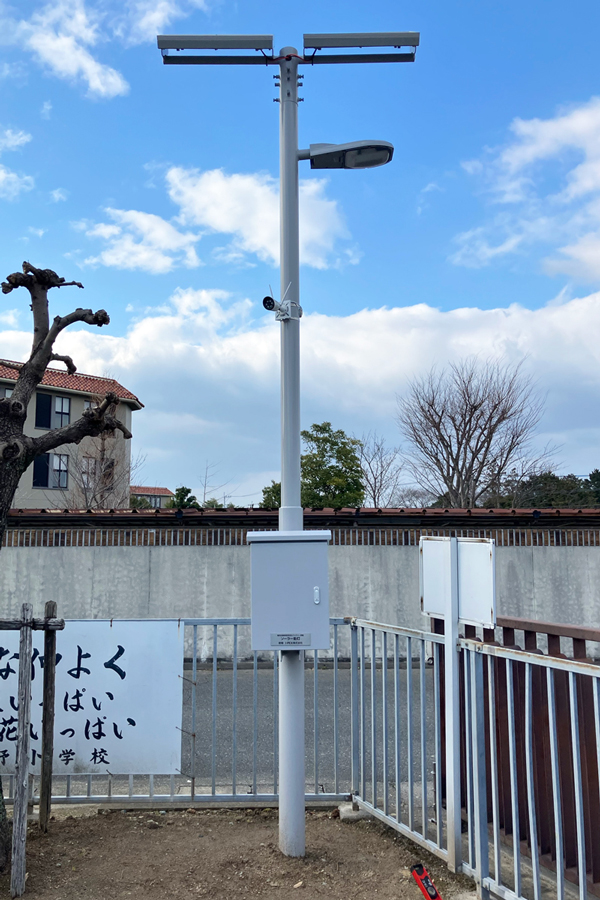 RENERATH solar streetlight installed at Azumano Elementary School
その一例が、福岡県小郡市立東野小学校での取り組みです。同校は災害時における指定避難所の増設施設にも位置づけられており、I-PEXは「RENERATH ソーラー街路灯」を2基寄贈しました。平常時は通学路周辺の防犯・防災に役立ち、災害時には内蔵のバッテリーBOXを取り外し、避難者のスマートフォン充電などに用いることができます。子どもたちが日常的に目にする場所にリユースバッテリーが存在することで、環境・エネルギー教育の題材にもなります。
For more information about the initiative at Azumano Elementary School, click here
Initiatives at Umekita Park in Osaka City
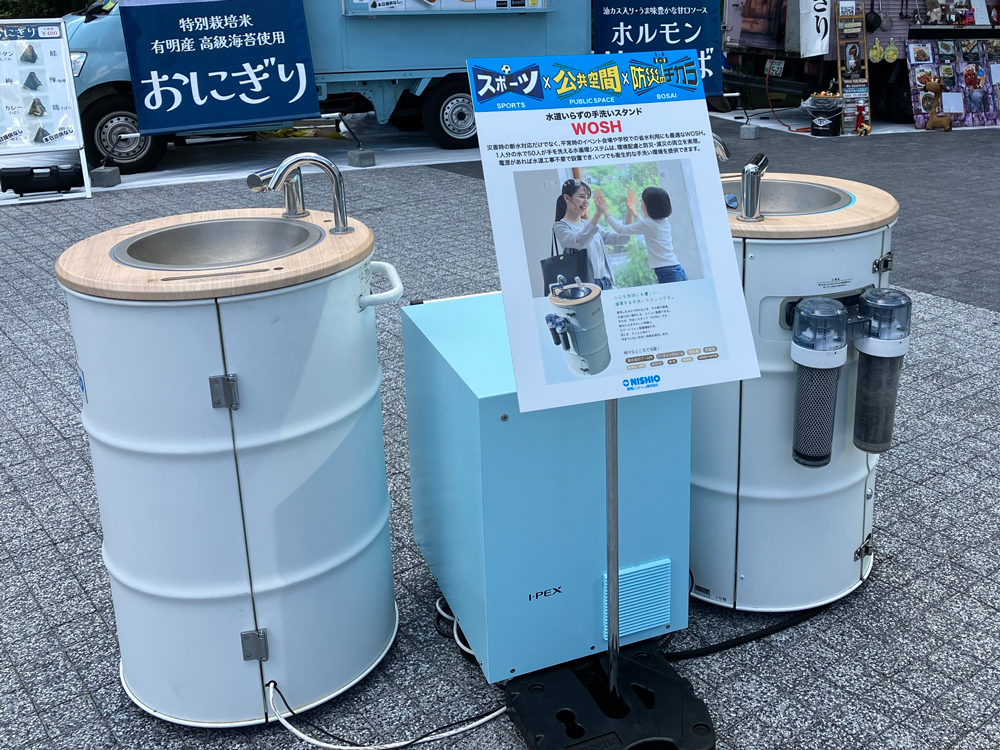 RENERATH Battery Storage System (center) supplies power to the water-recycling hand washing stand (left and right) that reuses water.
The RENERATH Portable Battery was also demonstrated at the Panasonic-sponsored events "Sports x Public Spaces x Disaster Prevention Power" (November 8, 2024) and "Panasonic Umekita Sports Day in Autumn" (November 9), both held at Umekita Park in Osaka City.
The event featured a plan that combined disaster prevention and entertainment under the theme, "an exciting space for sports becomes a comfortable evacuation shelter in the event of a disaster - Gamba PV (public viewing) realizes the fusion of entertainment and disaster prevention." The RENERATH portable storage battery was used to supply power to a water-circulating hand washing stand, digital signage, and a food truck, demonstrating its usefulness as an emergency power source.
Initiatives at Tenjin Central Park in Fukuoka City
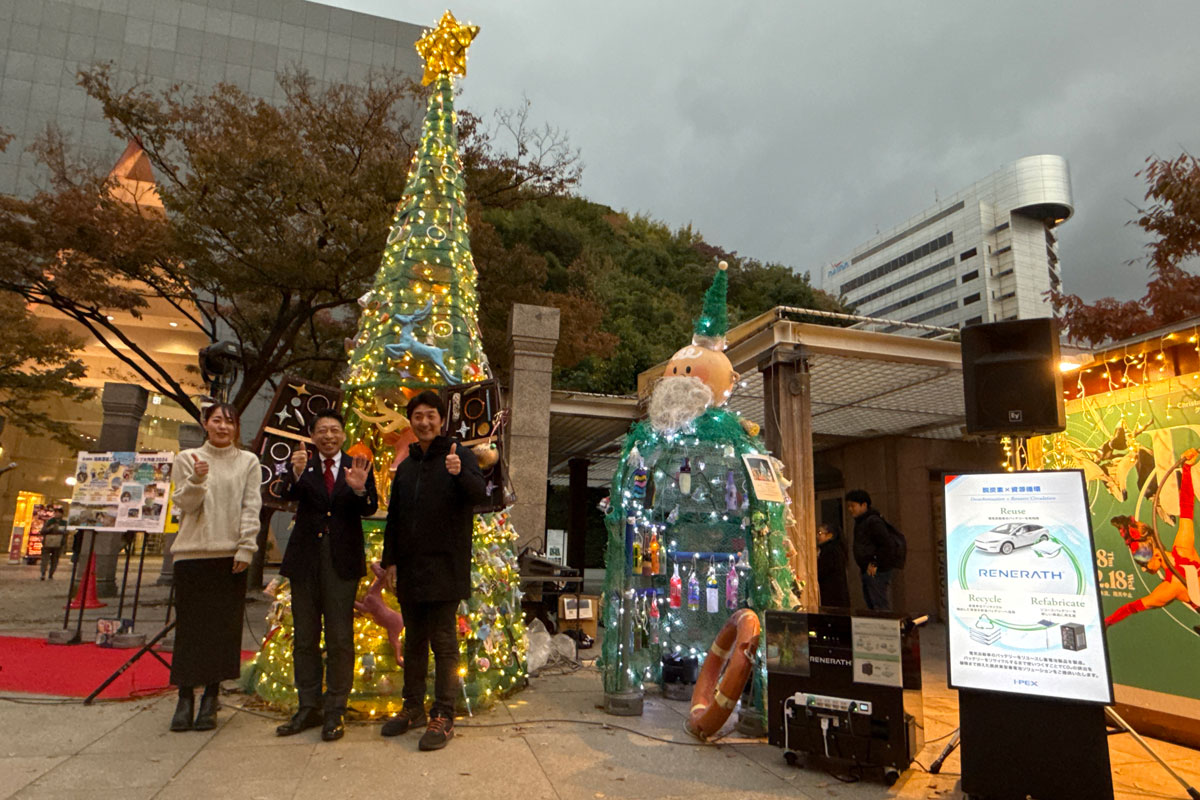 The artwork was lit up using the power source of the RENERATH Battery Storage System (right in the photo). The lighting ceremony was attended by Fukuoka Governor Seitaro Hattori (second from the left) and artist Minami Shibata (left in the photo).
At the Christmas tree lighting ceremony held at Tenjin Central Park in Fukuoka City, RENERATH portable batteries were used to power the trees and artworks made from ocean debris and waste materials. This project, which was implemented as the culmination of a series of cleanup events, became a symbolic initiative that combined waste recycling and renewable-energy-based power supply.
Through our introduction at Azumano Elementary School and our exhibits at events in Umekita Park and Tenjin Central Park, we believe that the local production and local consumption model for EV battery resource circulation will not only lead to the effective use of rare metal resources and the reduction of CO₂ emissions, but will also be functional in everyday situations such as disaster prevention, education, and events.
For more information about the initiative at Tenjin Central Park in Fukuoka City, click here
5. Summary: Towards a Sustainable Future
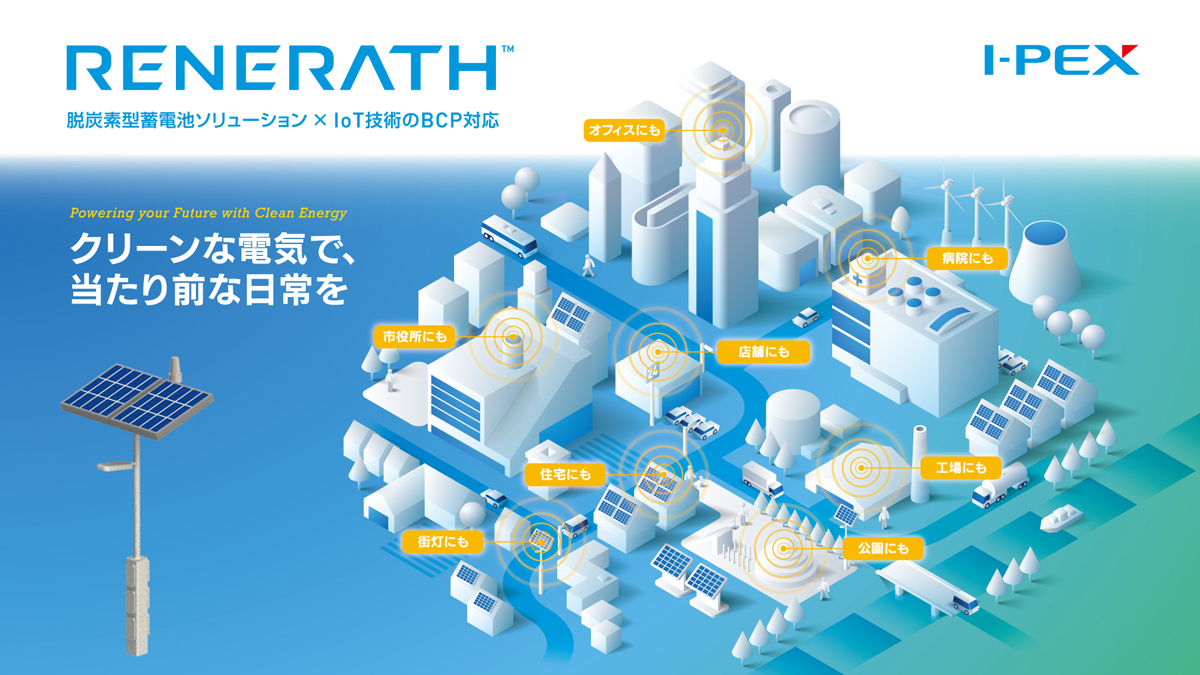 Image of how the RENERATH Battery Storage System is used
Reusing used EV batteries as Battery Storage System—rather than disposing of them—not only leads to the effective use of rare metal resources and a reduction in CO₂ emissions, but also contributes to emergency power sources in the event of a disaster and to local disaster and crime prevention efforts.
私は、「『地上資源』が豊富な日本だからこそ、このリユースバッテリー事業が必要である」と考えています。I-PEXは、EVバッテリーの製造・回収・リユース・リサイクルの各工程に関わる企業や自治体、関係機関と連携しながら、蓄電池システム「RENERATH」を通じて、EVバッテリー資源循環の地産地消モデルを確立し、新たな市場と価値の創出を目指します。