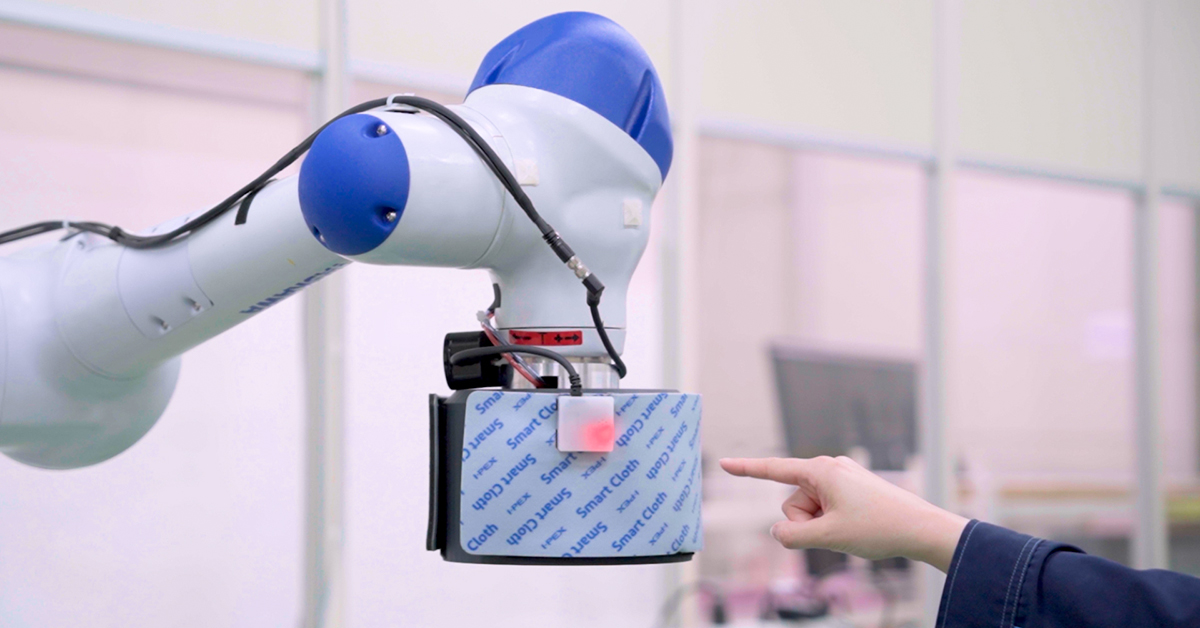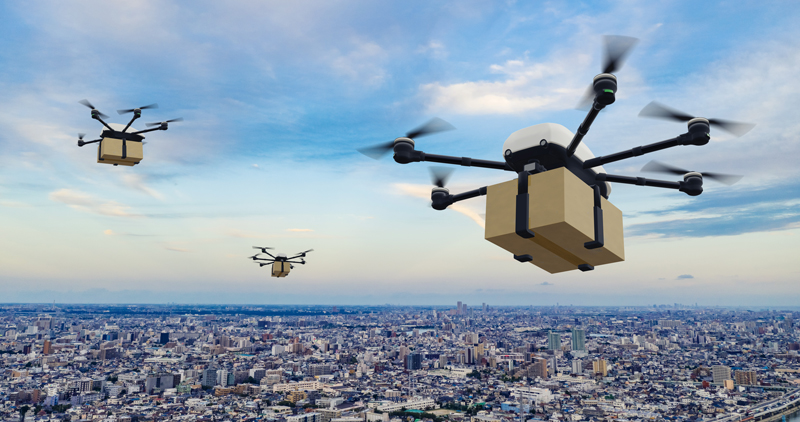
If drones could keep flying for tens of minutes—or even several hours—the way we inspect bridges, respond to disasters, and move goods could change dramatically. Today, one of the biggest obstacles to that future is flight time. To solve this challenge, I-PEX Inc. has developed a current collector made by metalizing a nonwoven fabric: the three-dimensional nonwoven current collector (advanced conductive mesh).
In this article, we introduce the future this technology makes possible, and the technology that will make it happen.
The Future of Drones Opened Up by Longer Flight Times

Adding just a few minutes to a drone's flight time is far more than a simple performance improvement. It means workers no longer need to enter dangerous places such as bridges or disaster sites, and that relief supplies can be delivered to mountainous areas and disaster zones that were previously out of reach.
The three-dimensional nonwoven current collector we are developing has the potential to become a core technology that supports not only the evolution of drones, but also infrastructure maintenance, disaster response, and logistics.
In actual drone flight tests, a commercially available lithium-ion battery hovered for 8 minutes 51 seconds, while a battery using the three-dimensional nonwoven current collector achieved 16 minutes 20 seconds—approximately twice the hovering time.
What makes this possible is a hidden component called current collector, which draws out the full performance of the battery.
The Current Collector That Unlocks the Performance of High-Capacity Batteries
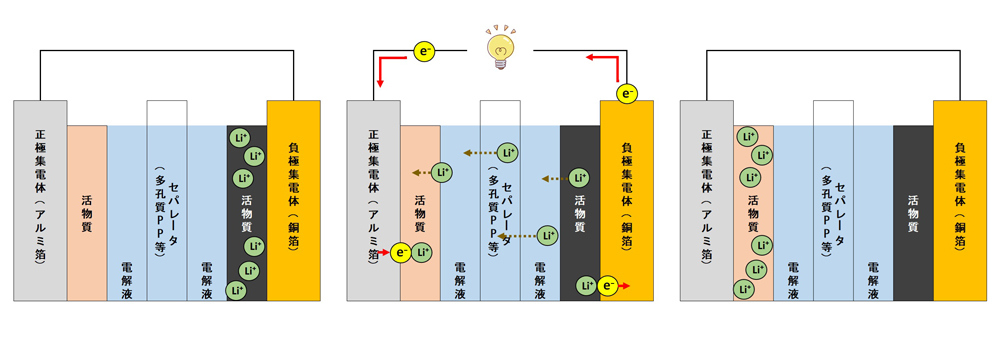
The lithium-ion secondary batteries used in drones charge and discharge as lithium ions in the electrolyte move between the cathode and anode materials. The thin metal foils that carry these active materials—aluminum foil for the cathode and copper foil for the anode—are called current collectors. They support active material while collecting electrons and efficiently conducting them from the anode to the cathode.
Three-Dimensional Nonwoven Current Collector | From Flat Foil to 3D Nonwoven: Rethinking the Battery's Internal Structure
The Anode Material Holds the Key to Better Battery Performance
What determines how long a battery can run continuously is the theoretical capacity of the anode material (the capacity a material can theoretically store). Compared with graphite's theoretical capacity of 372 mAh/g, silicon offers 4,200 mAh/g—more than ten times greater. However, silicon volume can expand by up to a factor of four during charging and discharging, which causes the supporting copper foil to peel away and the electrical connection to be lost.
A Three-Dimensional Nonwoven Current Collector That Can Follow Silicon's Volume Change
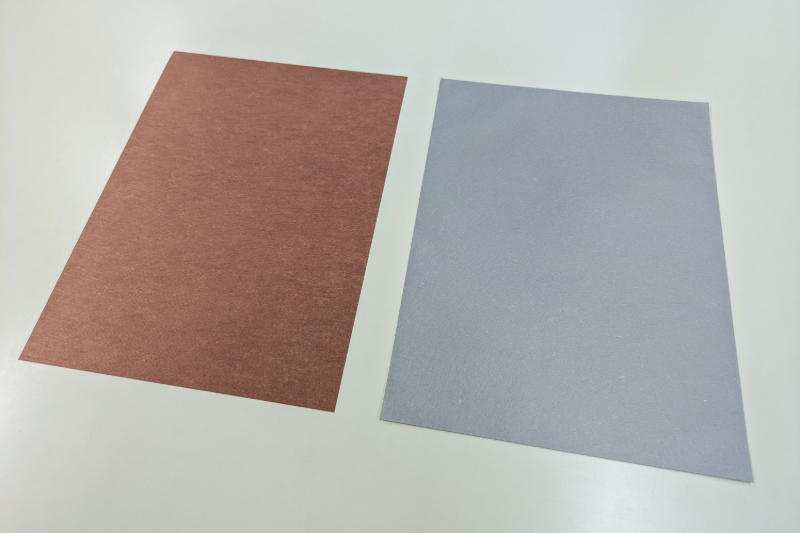
To solve this problem, we developed the three-dimensional nonwoven current collector (advanced conductive mesh). Nonwoven fabric is a three-dimensionally structured fabric made from materials such as PET (polyethylene terephthalate) and PBT (polybutylene terephthalate), the same materials used in face masks. By metallizing (plating) this fabric with copper or aluminum, we give it electrical conductivity.
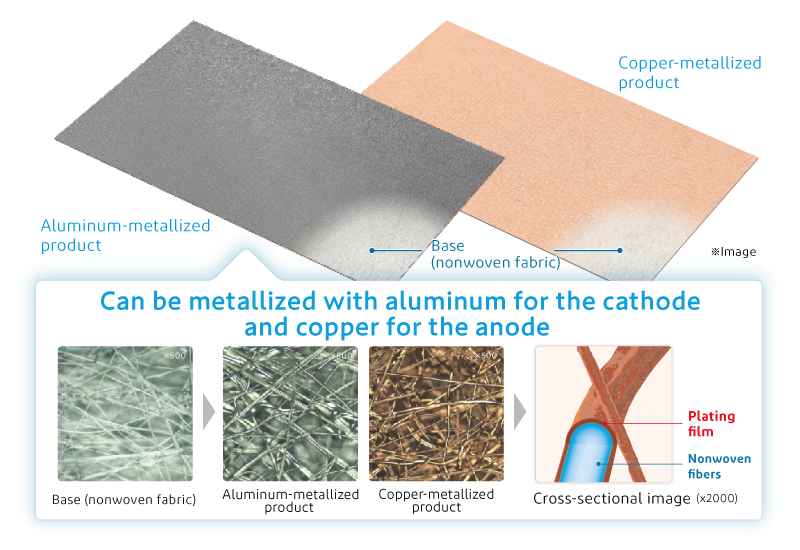
The strength of this current collector is that it can maintain electrical connection without peeling, even with active materials like silicon that repeatedly expand and contract. Because the active material is held within the gaps between fibers, the flexibility of the nonwoven fabric follows the volume changes. In life-cycle tests (charge/discharge cycle evaluations) performed by an outside testing company, the collector achieved more than five times the life of copper foil.
There is also a version with a CNT composite copper plating applied on top of the copper plating. CNT stands for carbon nanotube, a material that contributes to higher conductivity and better flex resistance.
Expected Weight Reduction and Improved Conductivity
Because the three-dimensional nonwoven current collector uses nonwoven fabric, it is thicker on its own. However, the total thickness of a conventional anode material + current collector (graphite on both sides of a copper foil) is roughly the same as the three-dimensional nonwoven current collector with the active material held inside its fiber structure. Its weight is about half, which is a major advantage in weight-sensitive applications such as drones. Conductivity has also been confirmed to be comparable to copper foil, further contributing to improved electrical performance.
I-PEX has an extensive track record of manufacturing connectors that use metal terminals. We leveraged the plating technology we had cultivated for connectors, together with ample development and experimental resources, to pursue this new product. Development took several years, but thanks to the efforts of project members from our plating manufacturing department, we succeeded in producing sample units in 2025.
This technology has also attracted strong interest from the market.
At trade shows, we have received many inquiries from customers facing challenges such as "we want to reduce peeling and degradation of silicon anodes" and "we want to increase battery capacity by applying a thicker layer of active material, but that reduces conductivity."
The three-dimensional nonwoven current collector has the potential to help solve the challenges that arise on the front lines of next-generation battery development.
Verifying the Capabilities of the Three-Dimensional Nonwoven Current Collector Through Demonstration Tests
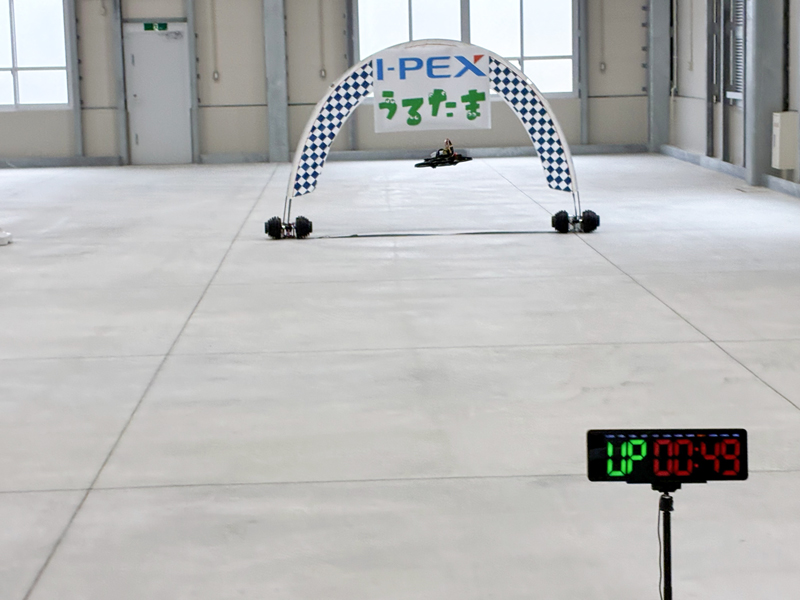
Comparing Hovering Time and Flight Time
During development, we had already evaluated a single pair of cathode and anode (a single-layer cell) and compared charge/discharge cycle life against copper foil. However, we had not verified performance under actual operating conditions. We therefore evaluated hovering time and indoor flight time, compared to a commercially available lithium-ion battery.
In the hovering test, the drone took off and hovered in place. The commercial battery lasted 8 minutes 51 seconds, while the battery using the three-dimensional nonwoven current collector achieved 16 minutes 20 seconds—approximately twice the continuous flight time. In the flight test, the drone flew laps around an indoor course, lasting 18 minutes 41 seconds compared to 9 minutes 27 seconds for the commercial battery—again, about twice as long. Flight time was longer than hovering time because flight includes motions such as descent, which require relatively little energy.
| Battery pack | Silicon anode battery pack | Commercial battery pack |
|---|---|---|
| Number of cells | 3 | 3 |
| Capacity | 1800mAh | 1000mAh |
| Voltage | 11.1V | 11.1V |
| Weight | 72.6g | 72.7g |
| Hovering time | 16 minutes and 20 seconds | 8 minutes and 51 seconds |
| Flight time | 18 minutes and 41 seconds | 9 minutes and 27 seconds |
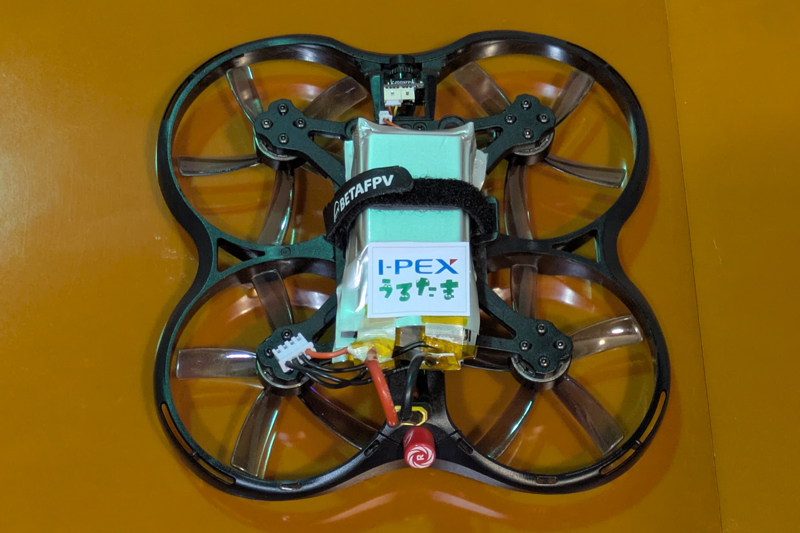
Continuing Improvements Based on These Results
These demonstration tests confirmed that the advantages we had developed and evaluated so far also show up in actual drone flight. However, all of these tests were conducted indoors. Going forward, we need to continue testing under harsher outdoor conditions, including wind, rain, and high or low temperatures.
The advantages demonstrated here were produced by the combined effects of the silicon anode material and the three-dimensional nonwoven current collector. From here, we must also pursue and improve the advantages of the current collector on its own—such as the difference in conductivity between a conventional current collector (copper foil) and the three-dimensional nonwoven current collector.
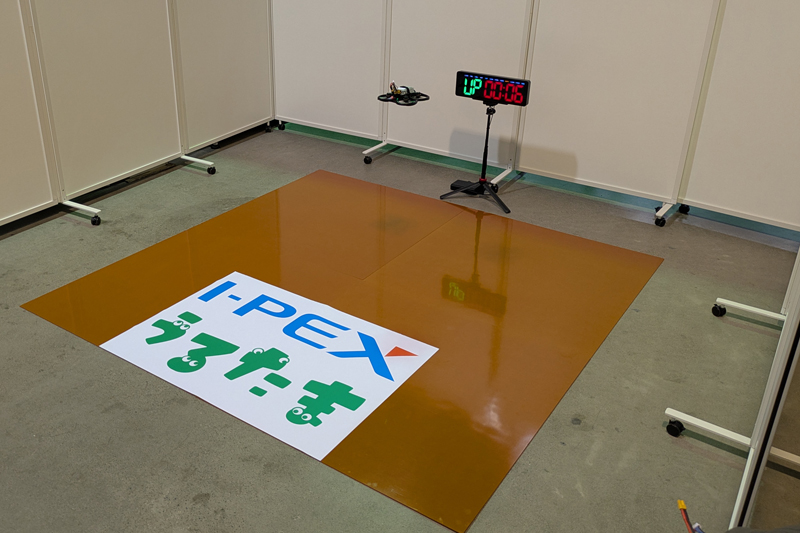
For these demonstration tests, URUTAMA Inc. supported us by building the battery packs and arranging the venue for the hovering tests. With their continued cooperation, we will further verify the recyclability, safety, and mass-production feasibility of batteries using the three-dimensional nonwoven current collector.
About URUTAMA Inc.

URUTAMA Inc. is conducting research and development that will lead to the commercialization of next-generation batteries by discovering original elemental technologies that will solve the various technical barriers in the secondary battery development and manufacturing process. Furthermore, based on the experience gained in this research process, we are already conducting joint research and contract research on battery technology with many affiliated companies.

How Will Longer Drone Flight Times Change the Field?
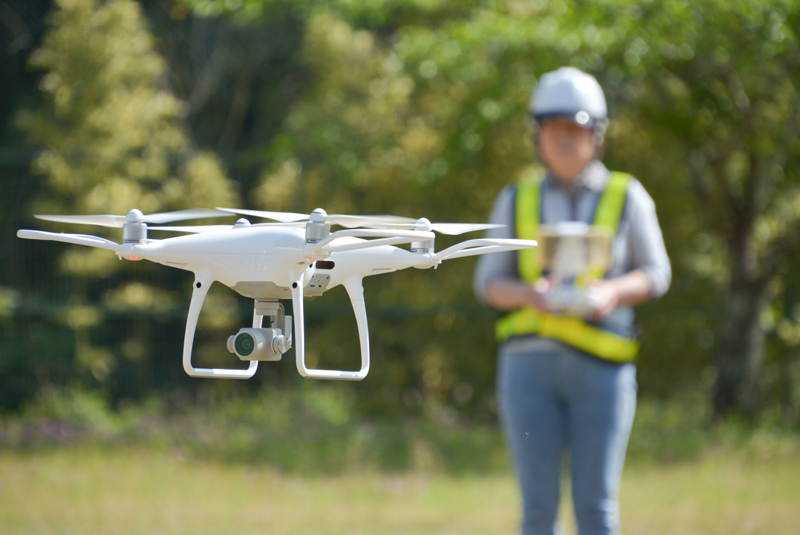
Removing the Constraint of Flight Time
Drones come in many sizes, but during development our target was microdrone. This type of drone is used for infrastructure inspection and on-site situational checks (filming), with a flight time of about 10 minutes.
If the round trip takes 5 minutes, only 5 minutes of useful working time remain. For tasks that can be split up, multiple flights can cover the work. But for tasks where the drone cannot return—such as filming a specific point inside a sewer pipe—there is no option other than to extend flight time.
Entrusting Dangerous Work to Drones
The need to have drones carry out work is more than just a matter of efficiency or labor savings. Drones can be deployed in dangerous environments such as elevated locations like bridges, places with the risk of falls or slips, disaster sites, and areas where there is a risk of explosion.
Especially at disaster sites, urgency is often critical. Drones have, in fact, been used at the site of the 2026 Kumamoto Earthquake and in the decommissioning of the Fukushima Daiichi Nuclear Power Plant.
The Evolution of Batteries Expands the Future of Drones
Longer Flight Times Through Greater Battery Capacity
How long a battery can run continuously is another critical factor that determines a drone's flight time. This depends on the energy density of the battery. Energy density is the amount of battery capacity that can be stored per unit of volume or weight, and it varies with the battery type and active material. We developed the three-dimensional nonwoven current collector on the assumption that silicon would be used as the anode active material.
Although our current target is microdrones, we believe this technology can be extended to many other types of drones. For example, if continuous operating time improves logistics drones that transport goods from urban areas to mountainous regions, deliveries over longer distances become possible. Applied to drones for crop spraying, it would allow spraying over much larger agricultural areas, or reduce the number of flights required.
In the entertainment field as well—such as drone shows—longer flight times could broaden the possibilities for performances. In drone shows, where countless drones dance in the sky and captivate audiences, longer programs and larger-scale productions become possible.
We believe this technology will not only improve drone performance but will also help build a society in which people no longer need to enter dangerous places.
Advancing Mobility and Safety Through the Battery Components behind the Scenes

The few extra minutes created by a single, unseen current collector dramatically expand the range of places drones can reach and the goods they can carry. In the inspection of bridges and disaster response, this translates into safety—people no longer need to step into dangerous areas. In the transport of goods to mountainous regions and disaster zones, it closes distances that were previously beyond reach.
The three-dimensional nonwoven current collector supports more than just drones. From lighter EVs to satellites and the stages of the entertainment industry, its potential extends to every domain that requires better battery performance.
The evolution of hidden components is quiet, but surely, changing the way we move and how safely we can do so.
I-PEX will continue working with customers and partner companies to improve performance and pursue new possibilities. If you have any challenges related to batteries or current collectors, please feel free to contact us.